







contact@dn.com
+86 135-7488-8887
3814848

Please scan the code using WeChat
A recent UDRP (Uniform Domain Name Dispute Resolution Policy) case concerning Sichem.com has attracted a lot of attention. The case involved a Swiss company, Sipchem Europe SA, which claimed rights to the “SICHEM” trademark and attempted to acquire the domain name through the UDRP process. However, after a trial, the Panel issued a decision of Reverse Domain Name Hijacking (RDNH).
I. Background of the Case
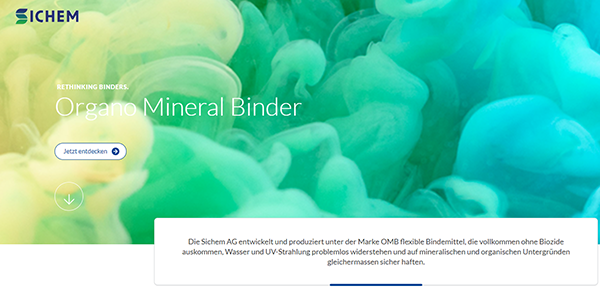
Sipchem Europe SA, a chemical company founded in 1999, claimed that its trademark “SIPCHEM” was registered in 2019. However, the disputed domain name, Sichem.com, was registered in 2005, which clearly predates the registration of the trademark. Respondent vanBaerle Management AG, on the other hand, states that the owner of the domain name has owned the company “Sichem Holding AG” since 1995 and purchased the disputed domain name in March 2024 for a higher price.
II. The Panel's Analysis
The Panel considered a number of factors in the course of its deliberations. First, despite the similarity between Sichem.com and the mark “SIPCHEM”, the Respondent's use of the domain name is legitimate and does not involve profiting from the Complainant's mark, so the Complainant's claim is rejected. More importantly, the Panel notes that the Complainant has not demonstrated that the Respondent has registered the domain name in bad faith, but rather, the evaluation found that the Complainant has attempted to conduct RDNH.
III. Definition of Reverse Domain Name Hijacking
Reverse Domain Name Hijacking refers to the submission of a complaint by a party in bad faith in an attempt to improperly obtain a registered domain name through the UDRP process. In this case, the Panel found that the Complainant's use of the UDRP process to harass domain name holders did not sufficiently substantiate the legitimacy of its claim. This decision serves as a warning to other companies to exercise caution when submitting similar complaints to avoid being found guilty of reverse domain name hijacking.


 Contact Us