







contact@dn.com
+86 135-7488-8887
3814848

Please scan the code using WeChat
Enron, the one-time energy giant, is once again in the conversation more than two decades after its collapse, but this time the focus is not on a business recovery but on the return of the domain name Enron.com. The domain name, once a digital icon of Enron's glory days, is now back in the public eye in a whole new way.
Domain names change hands: from bankruptcy auction to rebranding
Enron.com dates back to 1995, when it was the official domain name of Enron. However, with Enron's bankruptcy in 2001, this digital asset changed hands in a corporate asset auction. It is speculated that around 2009, the domain name was acquired by an investor at a low price, and then remained dormant for many years.
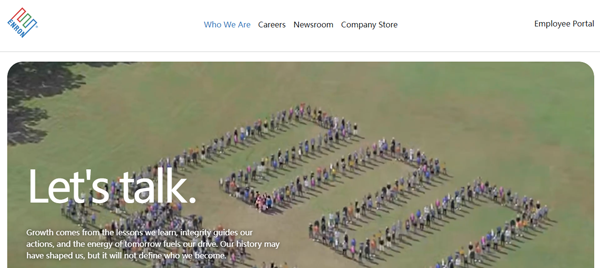
The domain name was finally reactivated in 2023. Meanwhile, the ENRON trademark was also purchased for $275 back in 2020. These digital legacies are now being put to new uses: a new operator is selling “Enron-branded” merchandise on the Epik marketplace and satirizing the former corporate giant with a series of spoof posts on social media X (formerly Twitter).
The Enron Story: From Peak to Collapse
In order to understand why Enron.com is generating attention, we need to look back at Enron's history. This company was founded in 1985 with the merger of Houston Natural Gas and InterNorth. With an innovative energy trading model and sophisticated financial products, Enron quickly rose to become one of the most valuable companies of its time.
But beneath this facade of brilliance lay systemic fraud. In order to hide debt and inflate profits, Enron constructed a false financial system through the extensive use of Special Purpose Entities (SPEs). This behavior was eventually exposed in 2001, when the company's stock plummeted from over $90 to less than $1, and it officially declared bankruptcy in December.
Enron's collapse shocked the world and prompted the introduction of the Sarbanes-Oxley Act in the United States to strengthen corporate financial transparency and governance.
Spoofing meets business
Today Enron.com has become a product of the marriage of satire and commerce. Apparently recognizing the deep controversial value behind the Enron brand, the new operators have begun selling Enron-themed hats, clothing and other merchandise to “resurrect” the brand in a humorous way.
Even more notable was the social media operation. A series of satirical posts spoofed Enron's past scandals, such as teasing that the brand was cooler than X or MAGA. This deliberately provocative marketing strategy both captured the public's attention and rekindled interest in Enron's history.
The Commercial Potential of Negative Branding
The resurrection of Enron.com proves that even infamous brands can be re-invented for value through creativity and strategy. Negative history, while alarming, can be an alternative attraction in some cases.
However, this approach also provokes reflection on business ethics. Does utilizing a brand as iconic and scandalous as Enron for business operations mean making a mockery of its victims and the public? Or is it an alternative way of narrating history?
Source: domaingang


 Contact Us