



contact@dn.com
+86 135-7488-8887
3814848

Please scan the code using WeChat
With the closing of the application window for the next round of new general-purpose top-level domains (gTLDs) in 2026, the strategies of many applicants are attracting increasing attention from the industry.
Recently, publicly disclosed information shows that domain registrar Namecheap applied for 40 new gTLDs, while another applicant, NameSpace, submitted 10, bringing the total to 50.
Namecheap's application list clearly shows a focus on technology, artificial intelligence, digital infrastructure, and internet applications, including .brain, .intelligence, .logic, .matrix, .mesh, .mod, .ops, .sys, .synth, .grid, .flux, .lens, .scan, .sense, and .wave.
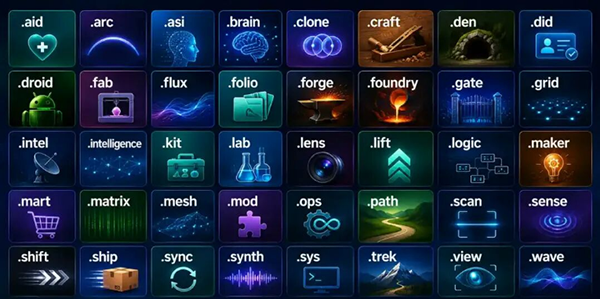
Overall, these 40 applications cover multiple fields including AI, technology, manufacturing, e-commerce, the internet, and the creator economy.
Meanwhile, NameSpace's 10 top-level domain applications are more concise, including .mars, .sound, .hello, .fest, .aura, .yam, .ify, .iii, .yyy, and .brain.
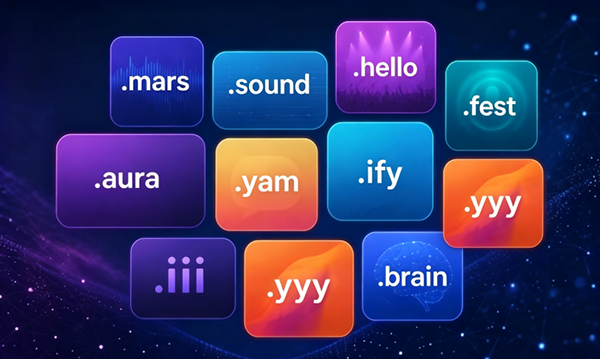
It's important to note that these are currently new gTLD applications, and do not necessarily mean that the relevant suffixes have been approved by ICANN or have officially entered the registration market.
Further steps are required, including review, objection handling, and competition resolution processes as stipulated by ICANN. Which strings will ultimately be implemented remains to be confirmed.
However, judging from the currently released application list, this round of competition for new gTLDs is showing a more segmented trend. As more applicants are gradually released, the competitive landscape for new top-level domains in 2026 will become increasingly clear.


 Contact Us