




contact@dn.com
+86 135-7488-8887
3814848

Please scan the code using WeChat
The new TLDs represent the latest addition to the domain name system, going beyond the classic .com or .org extension. They encompass a wide variety of domain name endings that cater to specific industries, interests and communities. Unlike traditional TLDs, which have existed since the birth of the Internet, new TLDs were introduced in recent years to meet the growing demand for easy-to-remember and relevant domain names.
Go back in time to February 5, 2014, when the first new TLDs in Latin characters went live. It's been 10 years. Someone asked me the other day why I still call them "new TLDs".
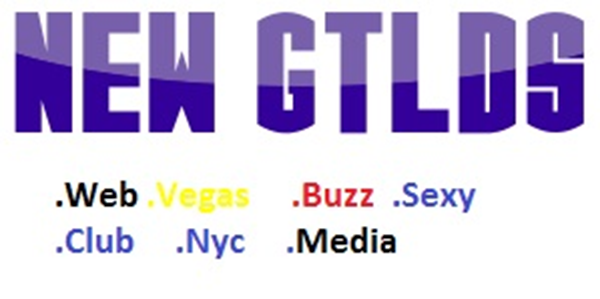
You're ten years old, certainly not a newborn, and your ten year old car has lost its new car smell. So what should we call these things now? Now I know some people will say fail out of contempt.
Aside from that negativity, I wonder if there will be any generic nicknames for these extensions that started rolling out a decade ago.
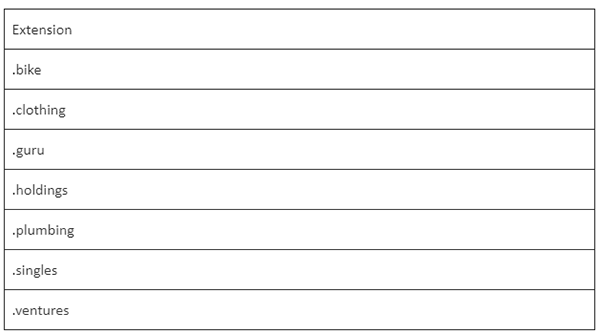
Top 7 New Top Level Domains
It has been pointed out that a new round of funding is coming and Web3 seems to be very interested in it. Will they be new, new TLDs?
Many may wonder why there are more than 1,700 domain name suffixes in the world, and they continue to grow every year. Some say: the biggest trick ICANN ever pulled was convincing the world that it needed more domain name suffixes.
In short, the new TLDs represent a dynamic evolution in the digital space, offering new opportunities for branding, marketing and online presence. By exploring the various new TLD options, businesses and individuals can find the perfect domain name to enhance their online identity and effectively engage their target audience.


 Contact Us